
THE STUDIO
Architecture begins long before form
It begins with the land, the light, the wind, and the memory embedded in a place. At Mastrominas Architecture, every project emerges from an attentive reading of its environment and from the belief that architecture should not dominate the landscape but belong to it. Founded in 1984 by Ilias Mastrominas, the award-winning studio has spent more than four decades exploring the relationship between architecture, nature, and human experience in the Mediterranean context. Our work is guided by the conviction that buildings are not isolated objects, but spatial ecosystems—structures that interact with climate, terrain, light, and life.
Architecture as a Sensory Landscape
We believe architecture is experienced through the body. Space unfolds through movement, thresholds, and sequences. Light changes throughout the day, materials reveal their textures, air circulates through openings, and nature enters the spatial narrative. The rustle of vegetation, the sea breeze, the shifting shadows of the sun—these elements become architectural instruments, shaping atmospheres that engage memory and perception. Architecture is therefore not only visual; it is tactile, acoustic, and atmospheric.

ILIAS MASTROMINAS
Lead architect & CEO
Dialogue with Place and People
Reinterpreting Mediterranean Identity
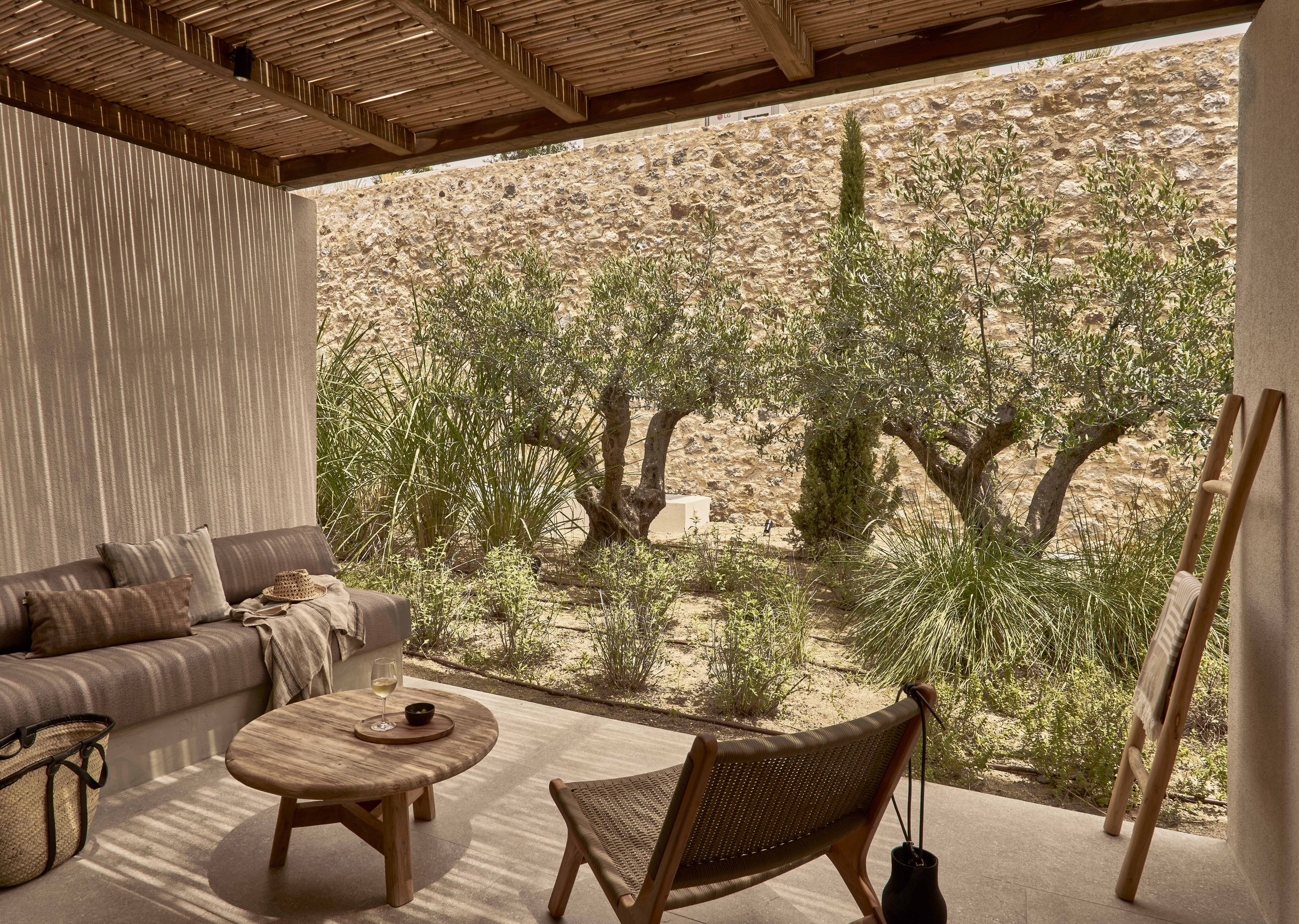
Our work draws from the archetypal spatial patterns of Greek vernacular architecture: courtyards, terraces, shaded thresholds, and open-air rooms.
Rather than replicating tradition, we reinterpret these elements through contemporary design and construction, allowing local memory to evolve into a modern architectural language.
The result is an architecture that feels both timeless and contemporary, rooted in cultural context yet open to new possibilities.
The Logic of Place
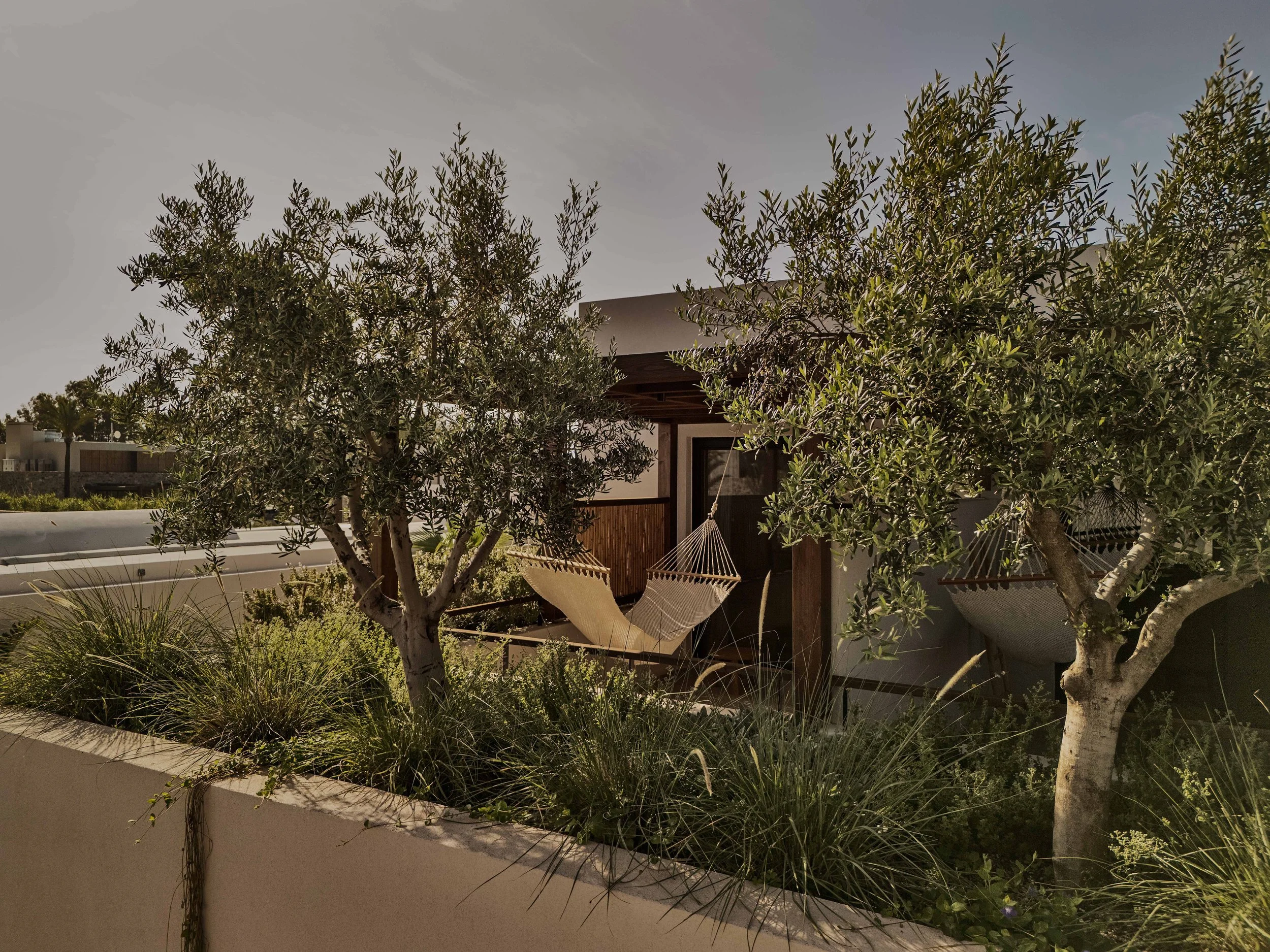
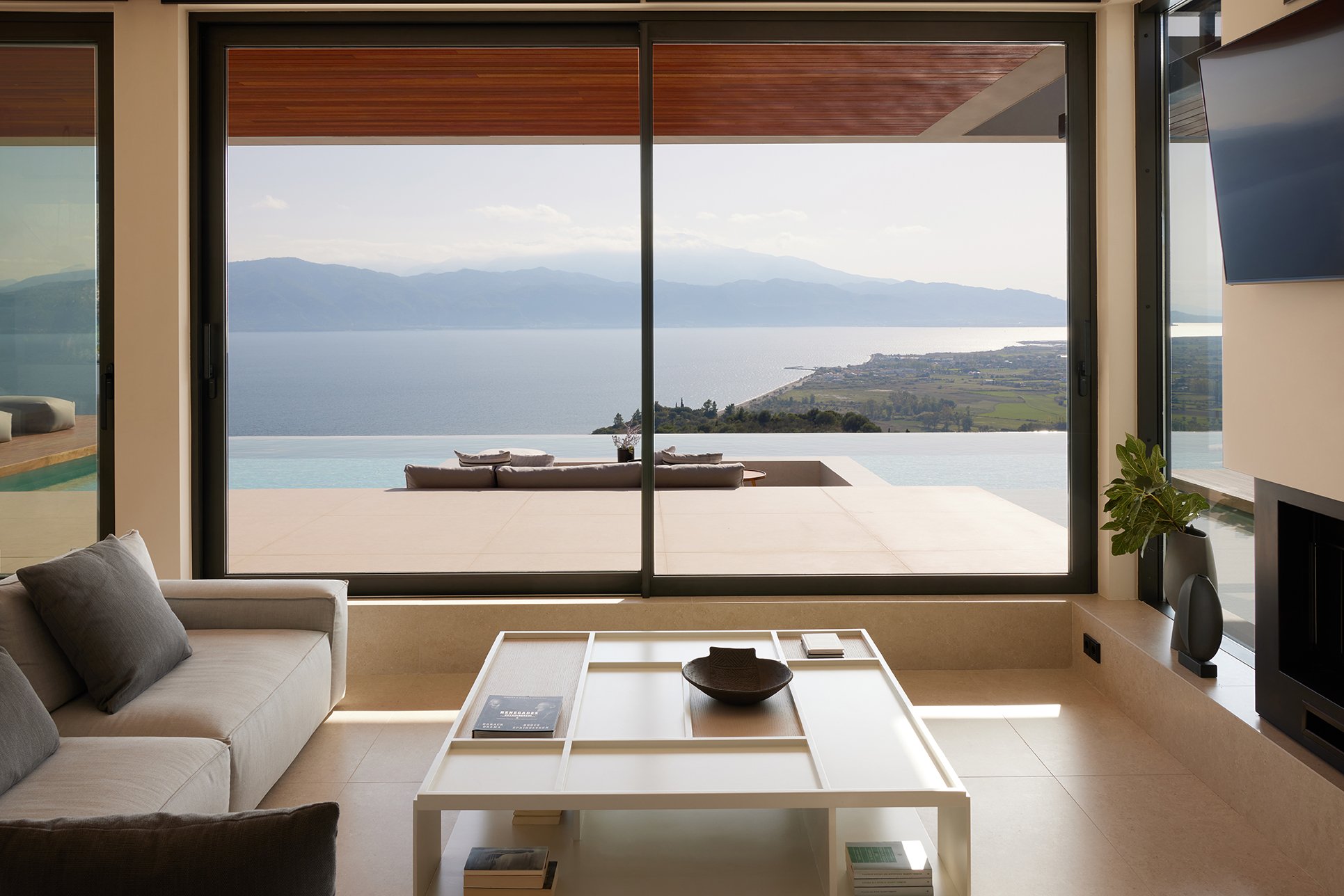
Each site contains its own intelligence. Topography, climate, orientation, and landscape are not constraints but generators of form.
Our approach seeks to integrate architecture with the terrain, allowing volumes to emerge naturally from the ground and establishing a balanced dialogue between built form and environment.
Passive environmental strategies—orientation, shading, natural ventilation, thermal mass, and diffused daylight—are embedded in the design process from the outset, ensuring both spatial comfort and environmental responsibility.
Sustainability is not treated as a technological layer, but as an architectural principle rooted in place.
Material as Architecture
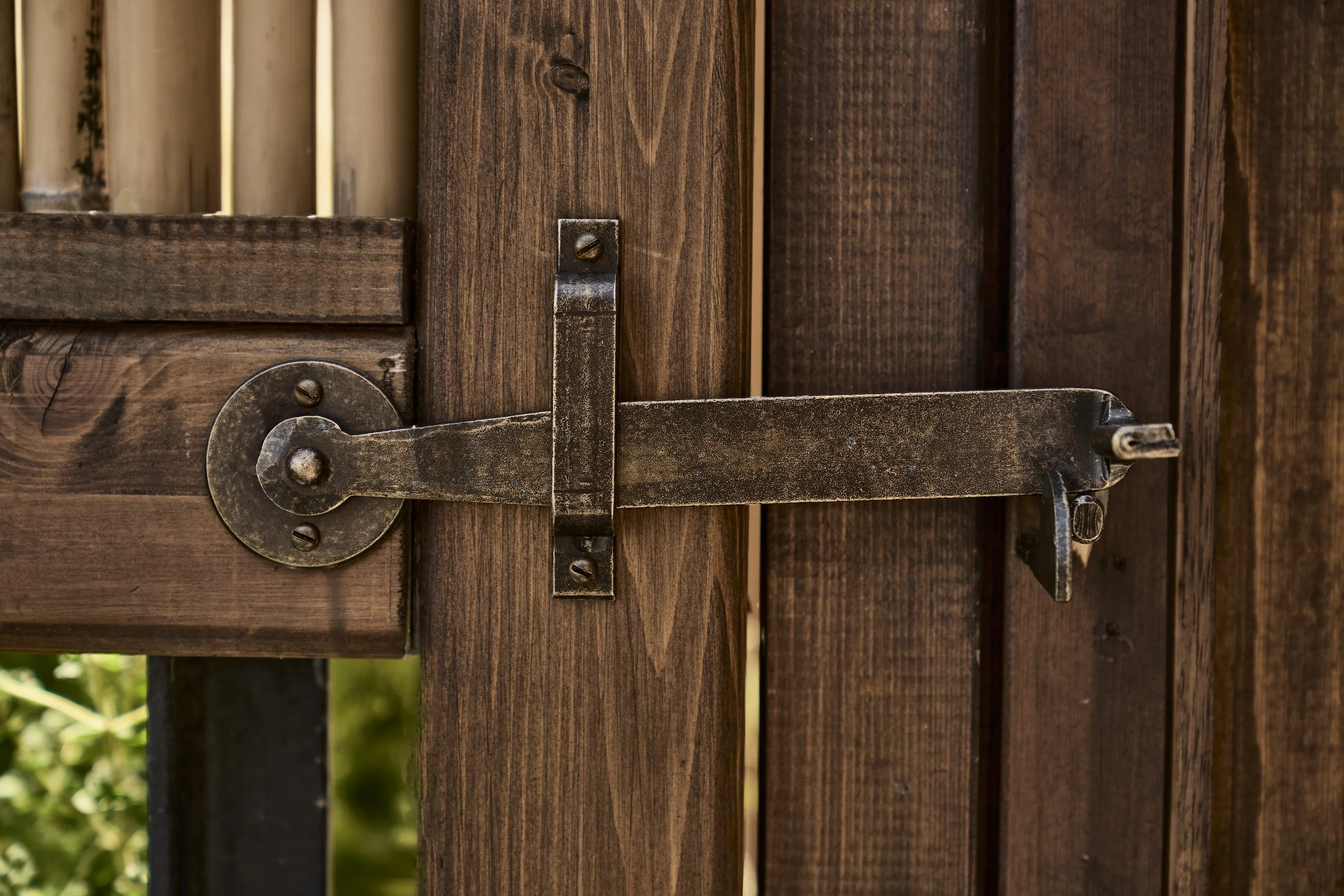
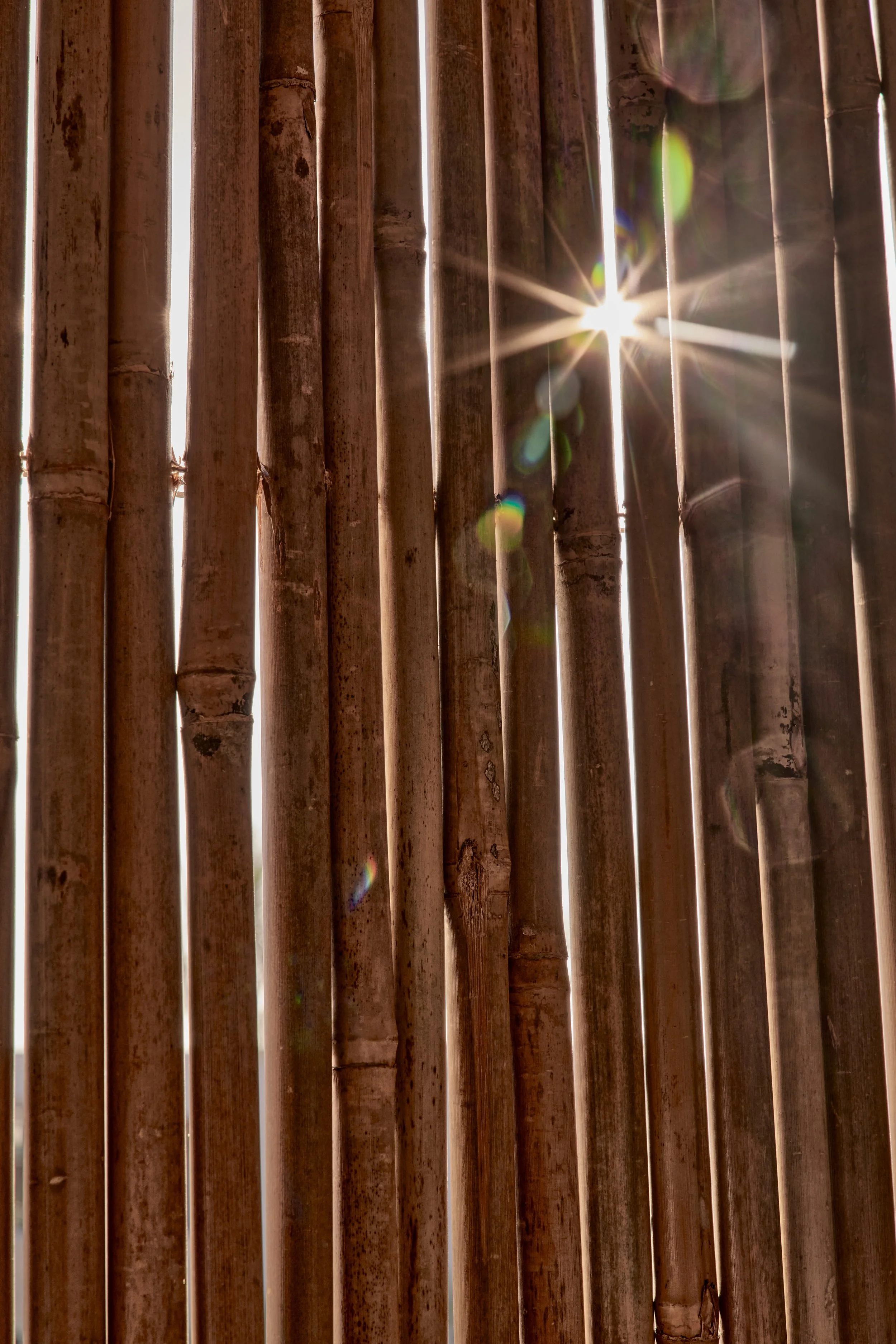
Materiality defines atmosphere. Stone, concrete, wood, and textured surfaces are selected for their authenticity and physical presence. These materials shape how light is absorbed or reflected, how sound travels through space, and how the human body perceives and inhabits architecture. Material is not applied—it is integrated into the spatial logic of the project.
Architecture as a Living Framework
Ultimately, architecture is a framework for life. It shapes how people gather, move, rest, and connect with the landscape. Each project seeks to create spaces that engage with light, earth, climate, and time, forming environments that are calm, human, and enduring.
At Mastrominas Architecture, the goal is not simply to design buildings, but to create places where architecture and life coexist naturally.

awards
awards

publications
publications
jobs
